The Story — CA. Sanket Jain
I spent my whole life
I spent my whole life
performing.
Then I stopped.
scroll
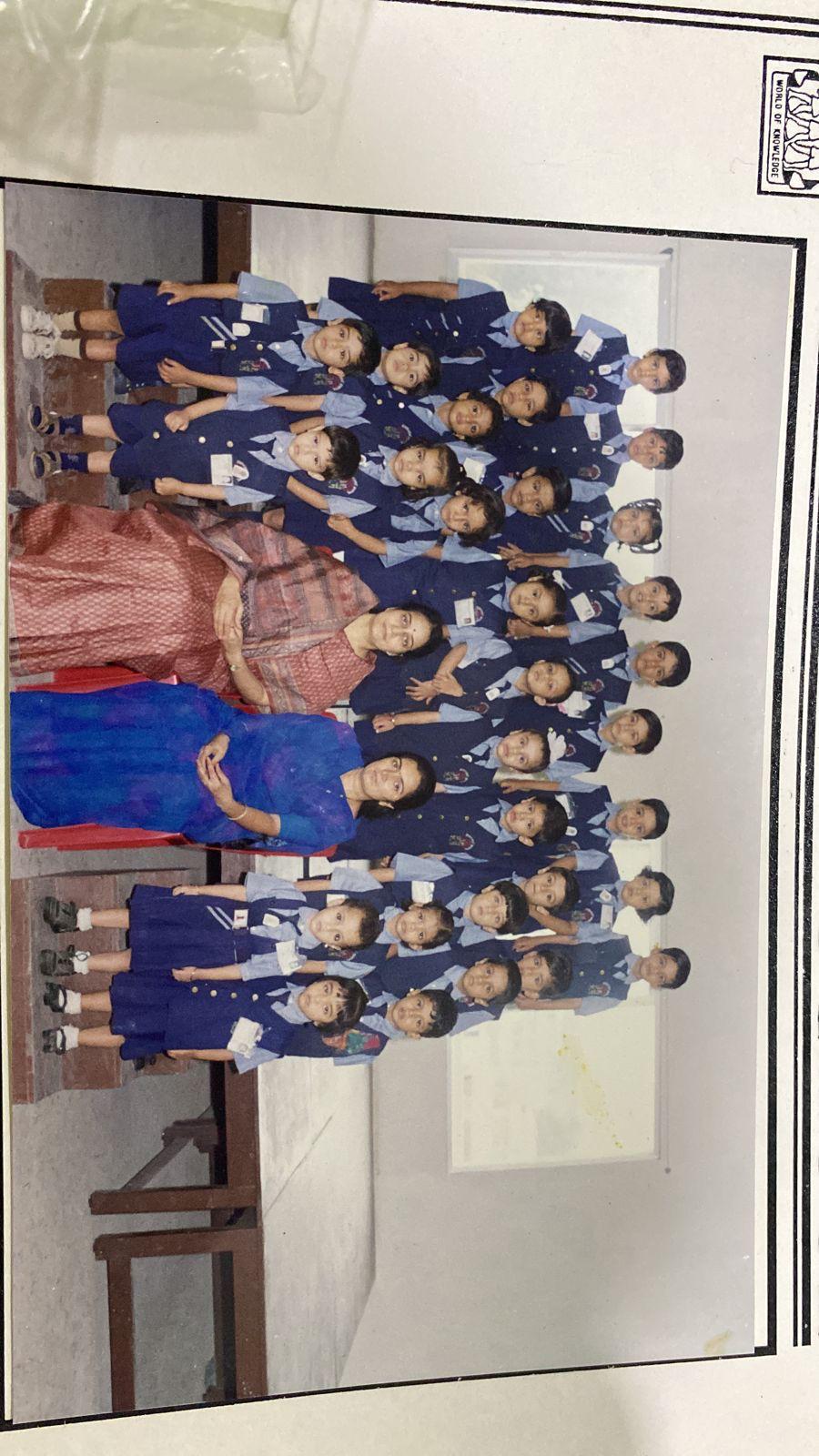
You know those children who are very talkative and outgoing. They claim the space as if they belong there. They are loud and carefree. I hated that as a child.
I hated that because I could never be one of them. I didn't have what it took to become them.
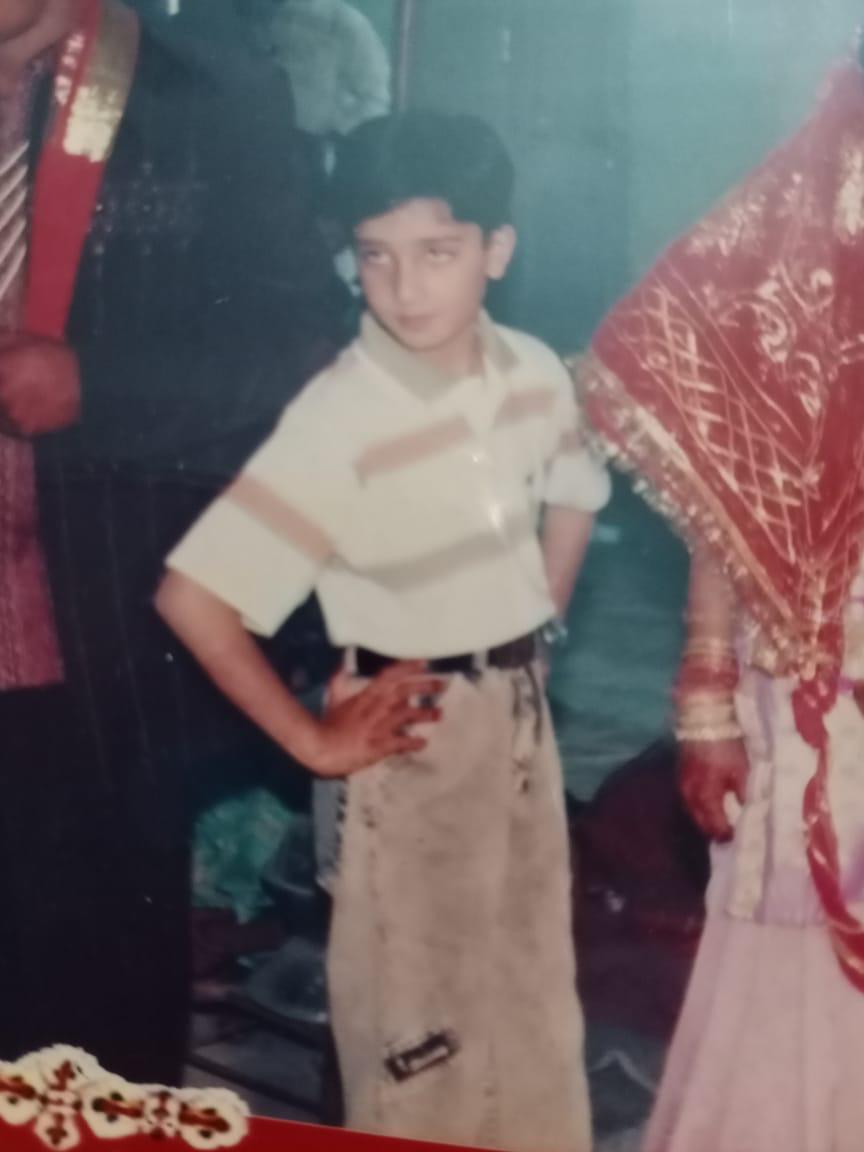
I was the quiet one. Shy, silent, sincere, and serious. People often complimented me for being exactly that. What they didn't realise — what I didn't realise for a long time — is that no child is naturally like that. Children who are careful, contained, controlled — are not mature. They are just afraid.
Just like I was back then.
If you are someone who was always responsible, good, the one who never really caused trouble — I want to gently ask you something. Was that really you? Or was that also fear, disguised as good personality?
Because that is what it was for me.
Fear. My most loyal, deceptive, backstabbing companion for most of my life.
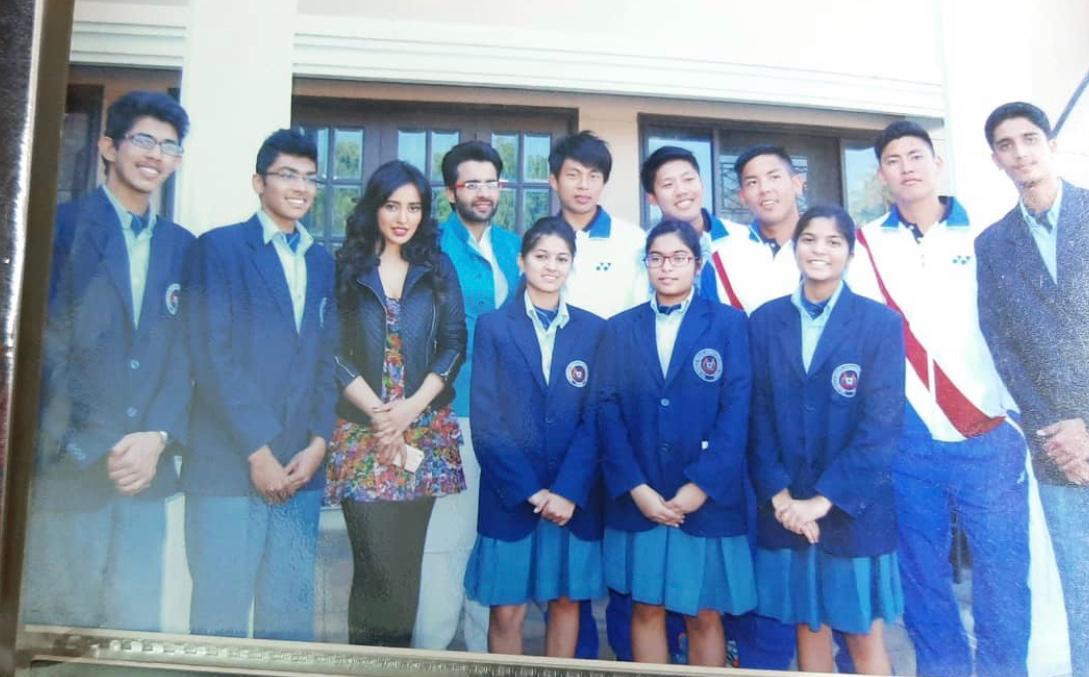
I became the student who never put a foot wrong. Always focused. Always working. Always trying to be perfect at everything — not because I loved it, but because some part of me believed that if I was perfect, I would be safe. Liked. Accepted.
I was protecting an image. I built that image based entirely on lies without realising it.
I didn't realise I had quietly, without even noticing, rejected myself first.
Does this feel familiar to you?
Because I have since met so many people who are brilliant and hardworking, and people who look completely put together on the outside — who are doing exactly this: working harder than everyone around them. Saying the right things. Showing up perfectly. Not from a place of confidence, but from a place of deep and quiet fear.
Fear of being found out. Fear of not being enough. Fear of what happens if people see the real version. These people, just like me, weren't just afraid of those things. They were scared of life itself. And so was I.
"No child is naturally careful, contained, controlled. Children like that are not mature. They are just afraid."
CA. Sanket JainAt the age of 18, depression found me.
Looking back, I understand why. Completely.
The thing about people with a low sense of self is that they do an extravagant number of things for others — with a quiet, unspoken hope that someone will return the care. That someone will notice. That someone will finally say — you matter to me.
That never really happens.
And one day, you are left alone and empty with a question sitting heavy in your head — am I that unlovable? You carry that anger in your heart and slowly, without any warning, you start shutting the whole world out.
If you have ever given everything you had to people, to work, or to an image — and still ended up feeling invisible — I want you to know that emptiness is not a reflection of your worth. It is a reflection of a wound that was never healed.
I went for therapy. My therapist listened. Sessions went by but he didn't say much. I waited for the answers I never received. One day, tired and empty, I said to him — "No one takes care of me."
He didn't console me. He didn't agree. He just asked me one question.
"You want others to take care of you? But do you take care of you?"
His therapistI had no answer.
But something cracked open in that moment. Not loudly. Not dramatically. Quietly. Like a small door I had never noticed opened for the very first time.
And for the first time in my life, one thought appeared — I wish I could help someone the way he helped me.
I didn't know it then but that was the beginning of everything.
My life changed again when I moved to Mumbai.
It was my first time living alone. After spending years surrounded with an overprotected environment, Mumbai was too chaotic for me to handle. But it was my dream. I wanted to learn from the best. And honestly — I also wanted to be away from home. Away from the version of myself that everyone there had already decided on.
It was my escape.
I got used to it slowly. The trains, the traffic, the rush, the summer, the rain, the sweat, the schedule. After a while, Mumbai became mine.
I was now among some of the most brilliant people I had ever been around. I was no longer the most studious one in the room. And that one shift — that loss of a title I had quietly built my identity around — made me extremely conscious of myself. I felt like I was failing at everything. Studies. Work. And being enough.
The fear of judgment had returned. And this time, it was louder than ever.
Here is something I have since realised about people who carry deep insecurity — they are often extremely blunt. Defensive without meaning to be. And that bluntness started damaging my relationships at work. Therefore, I did what always felt like the safest option.
I escaped. I changed my organisation.
You might have gone through something similar. Changed jobs, cities, relationships. Hoping that a new beginning would somehow make you feel like a different person. Only to find — you came along for the ride. The same fears, the same patterns, just a different backdrop.
That is not a character flaw. That is just what unhealed patterns do. They travel with you.
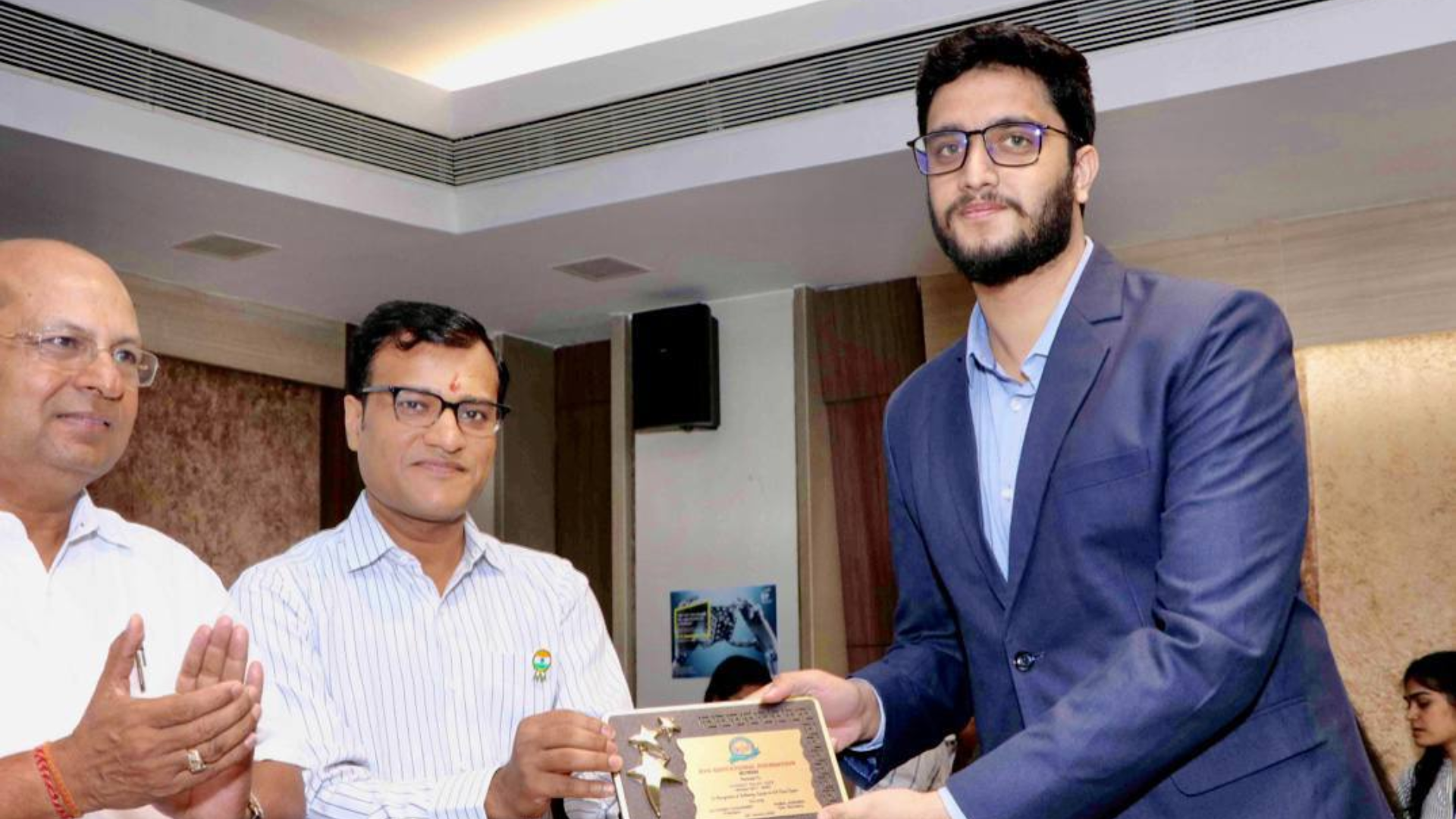
The new place gave me a fresh start. I worked extremely hard. I delivered results. I was liked here.
My boss was one of the best leaders I have ever come across. He made me feel genuinely comfortable — and that one thing, just feeling safe, helped me grow in ways I hadn't expected.
I became a Chartered Accountant.
I thought that would finally make me feel confident.
Spoiler Alert: It didn't.
When I began teaching Cost Management to CA Final students, self-doubt surfaced almost immediately. What if what I'm teaching is not effective and my students fail? The achievement hadn't quieted anything. It had just given the fear a new subject to attach itself to.
But the results came. Students passed. And slowly, reluctantly, I started to see — my doubts were not facts. They were just fears wearing a new costume.
I worked harder than ever. I created books, courses, study materials — all designed to help students succeed. I watched other educators build a large audience through content designed to attract and entertain. I stayed committed to only creating what was truly useful, even when it meant growing slower than the others.
I told myself it was principle.
But I want to ask you the same question I eventually had to ask myself — was it really principle? Or was it just another way of staying small? Of not fully stepping into the light?
I think you already know the answer. Because you have told yourselves similar stories.
Then one afternoon, I watched a video of a professor giving a motivational seminar to students. Something stirred in me — quiet but insistent. What would I say, if I were up there?
About a year later, my grandfather called. He was a public speaker and a leader in a network marketing business. He told me, simply, that my talent was larger than a classroom. He thought I should become a speaker.
I sat on that idea for an entire year.
Then one day, without fully knowing why, I said yes. He prepared me over several months — assignments, targets, practice. I took it very seriously.
And then one morning he called to say he couldn't make it to a seminar the next day. He needed me to take it. No presentation ready. No real preparation. No choice.
I asked how many people would be there. He said 500.
On the day of the seminar, I didn't eat. I didn't drink anything. I just kept talking to myself.
When I walked through the gate and saw the crowd, the first thing I felt was — I don't belong here. Nobody knew me. People were staring. The person who was supposed to introduce me looked like a far better speaker than I could ever be. I sat there watching him, thinking — I am going to look so stupid up there.
And then something shifted.
I started picturing myself walking onto that stage exactly like a Telugu movie hero — not asking whether I belonged there, but deciding that everything in that room belonged to me.
That one thought changed something.
And then my name was called.
There were not 500 people. There were 1000.
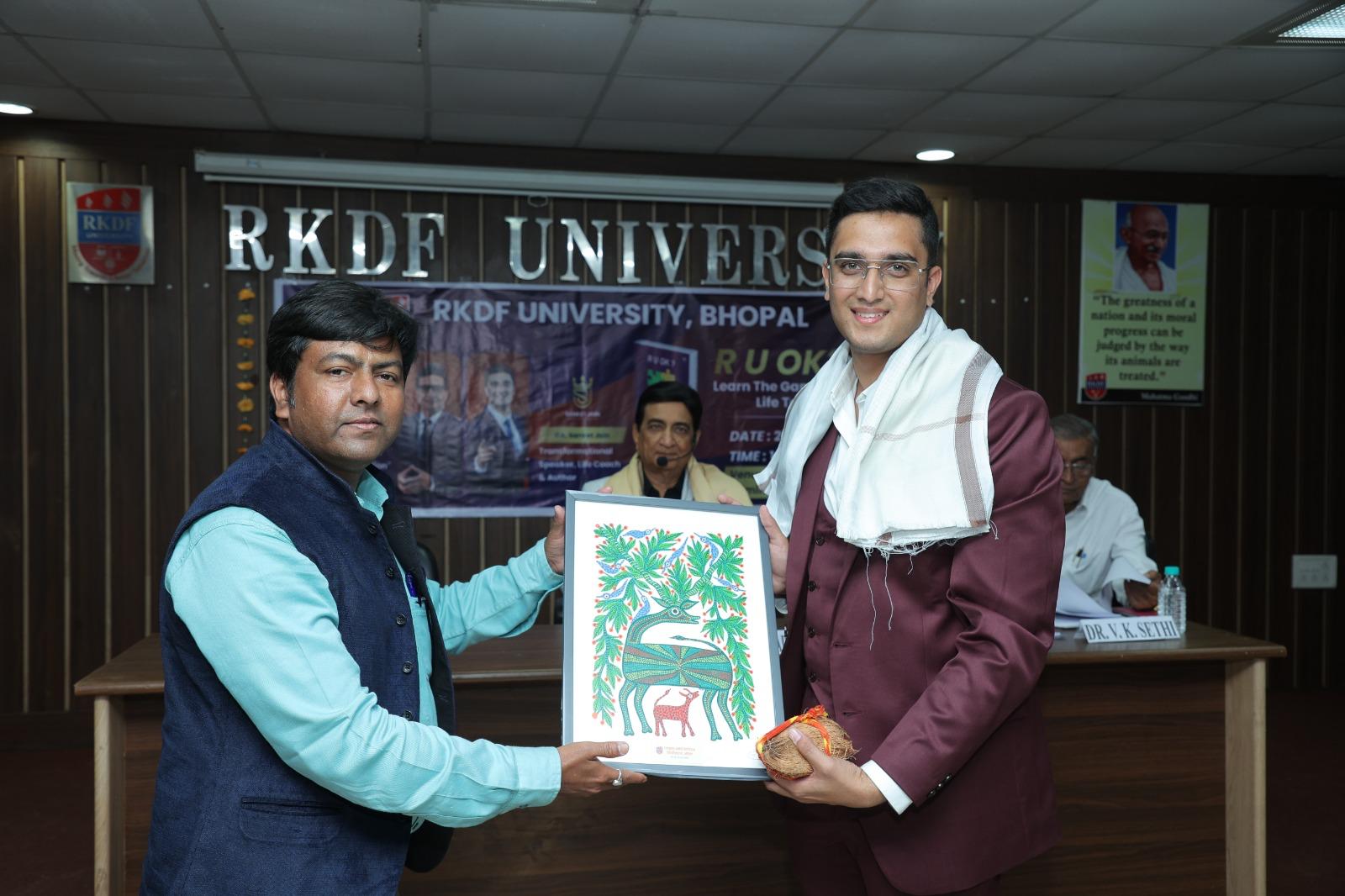
I walked up. And in that split second before I opened my mouth — the entire crowd went silent. A thousand people, and not a sound. Just me and that silence. I had one choice to make: Who will I be in this moment.
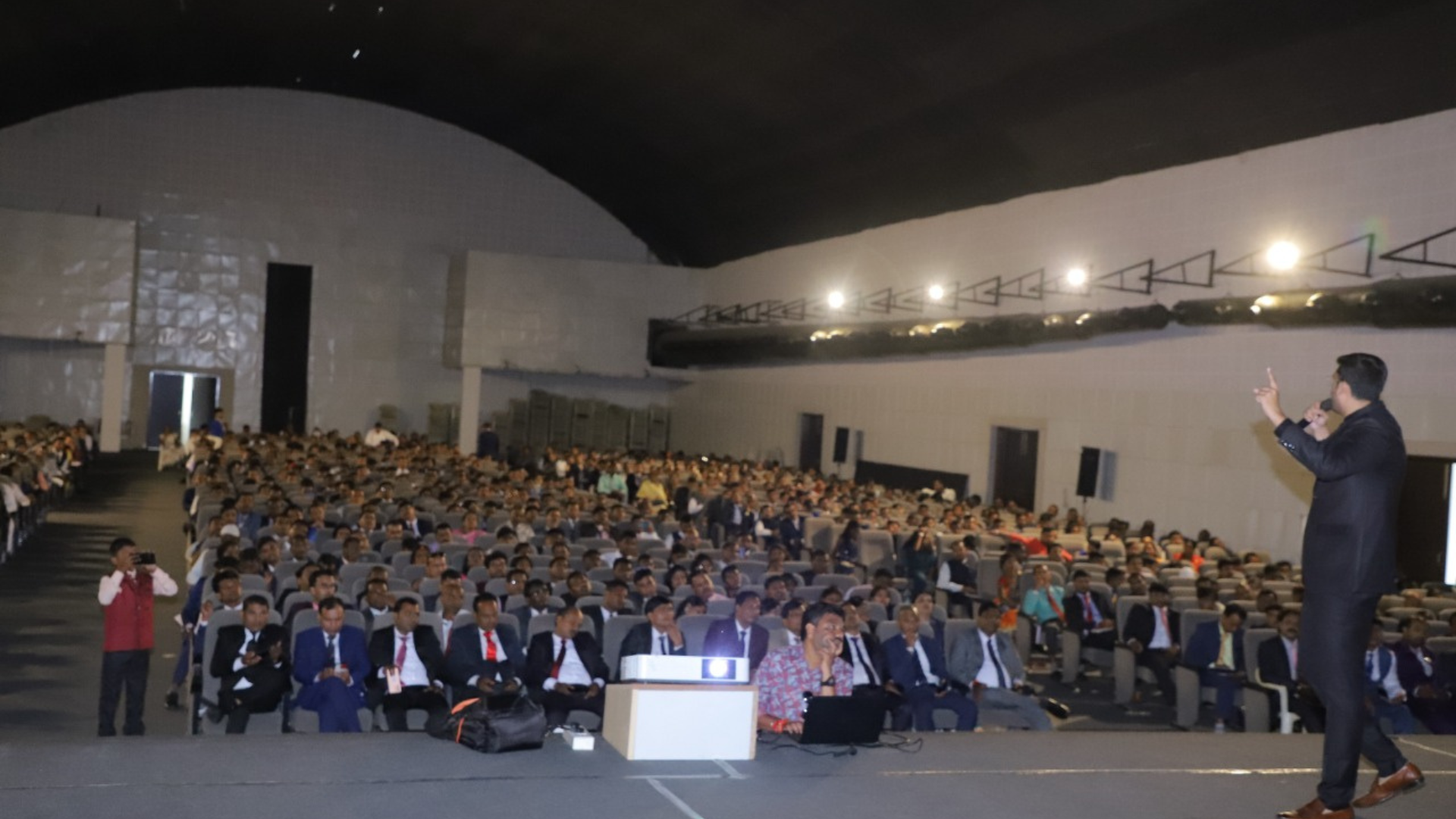
Next thing I know, an hour and a half had passed without me realising it. What I do remember is coming off that stage — hungry, thirsty, and surrounded by people waiting to take a selfie with me.
It wasn't excitement. It wasn't relief.
It was the opposite.
"For the first time in my life, I had not spent a single second wondering if I was enough. I had not performed. I had not protected an image. I had just been — fully, completely present."
CA. Sanket JainThis is what it feels like. This is what I have been afraid of my entire life. And it was the freest I have ever felt.
I had found something new about myself that day. Not just that I could stand in front of 1000 people and speak. But that the version of me I had spent my whole life hiding — the real one — was the most powerful one I had.
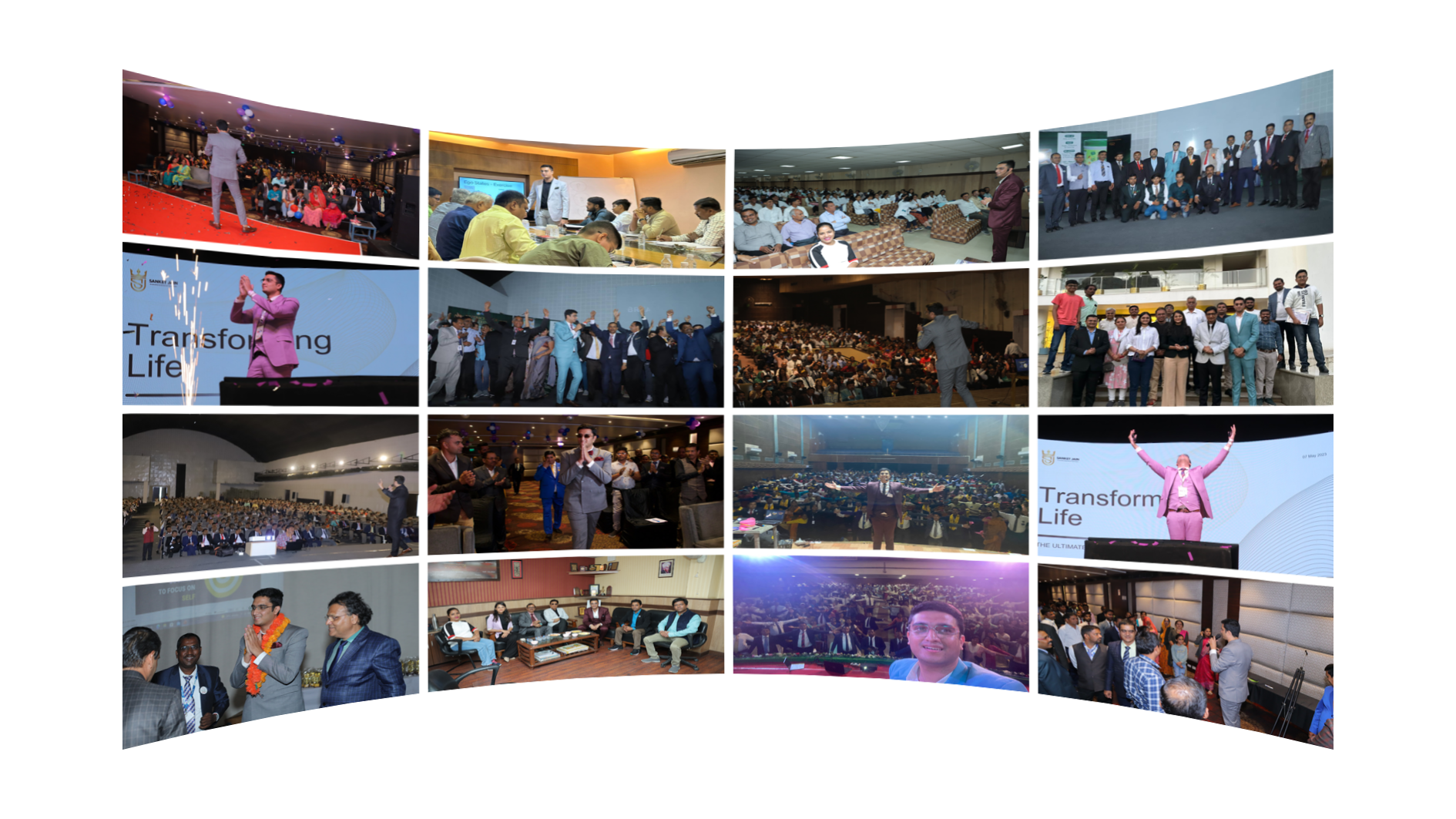
I did many seminars and webinars after that. From 500 people to 25,000 — I spoke everywhere, without fear. And each time I got better at it.
The very thing fear had spent years keeping me away from had become my greatest source of power.
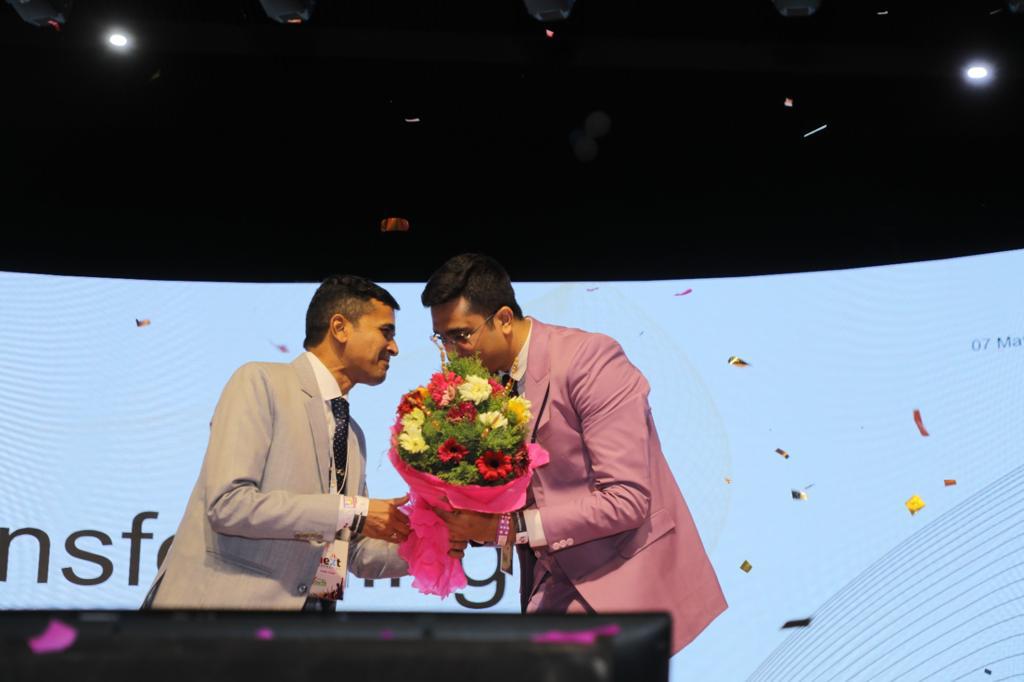
I enrolled in a programme to become a trainer. Months into it, I came across a subject called Transactional Analysis.
I'll be honest — my first thought was that it must be related to accountancy.
It wasn't even close to that.
It turned out to be a framework for understanding human behaviour, identity, and patterns with a depth and precision I had never encountered before. I found a mentor, had one conversation with him, and that conversation became the beginning of a business partnership. Together we studied it, applied it, and then taught it to who needed it.
And somewhere in that process — I finally understood myself.
Not just what I had been doing all my life. But why.
Every pattern I had carried since childhood — the fear, the performances, the escapism, the desperate need for approval and validation — I could finally see all of it clearly. And more than that, I had a way to actually dismantle it.
The shift was slow. It took years of repeated practice, catching old patterns mid-motion, and making better choices. But something finally settled inside me that I had been searching for my entire life.
A sense of security. Not borrowed from results or validation or how many people applauded. Real security. The kind that lives inside you and does not leave when circumstances change.
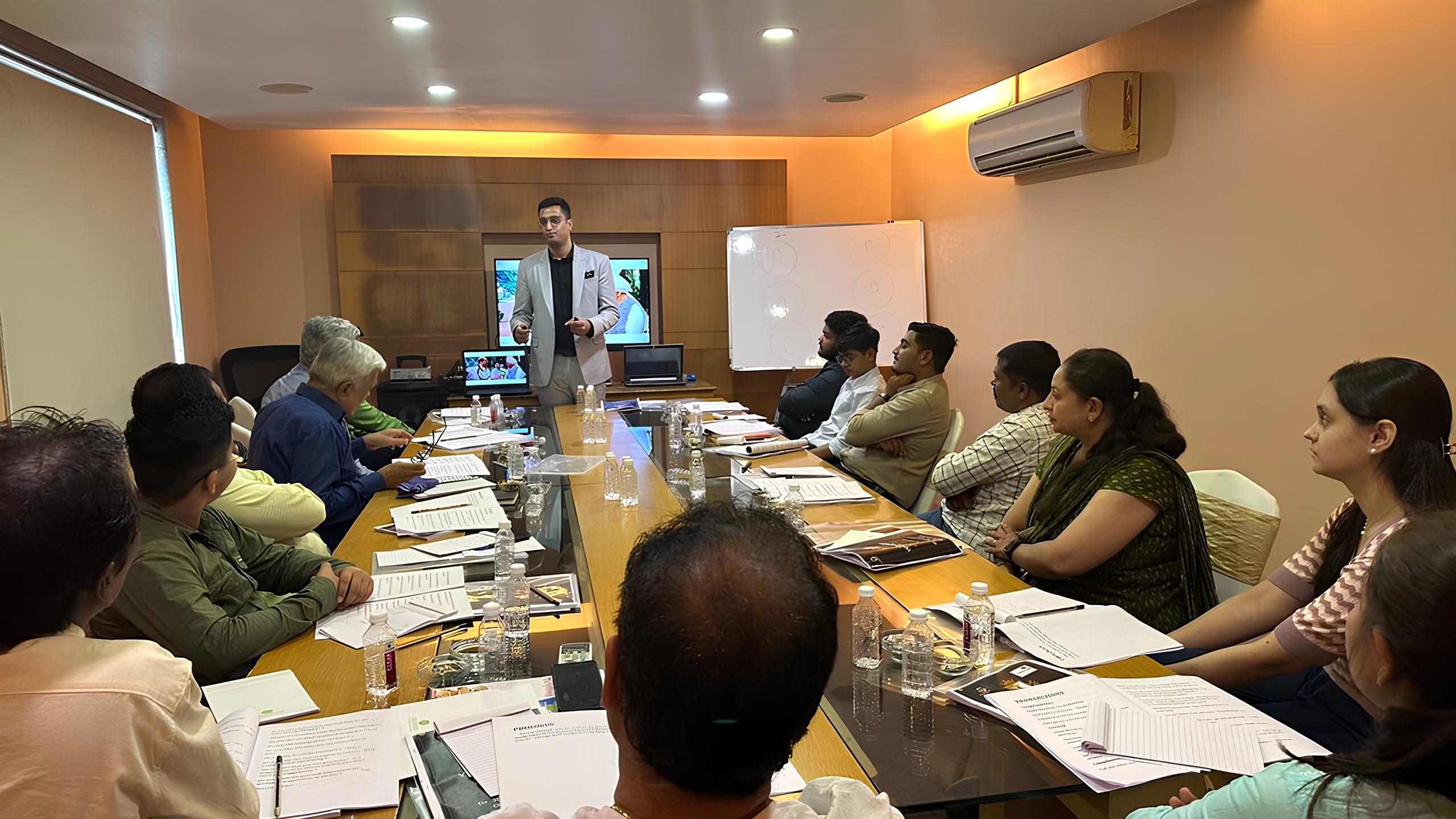
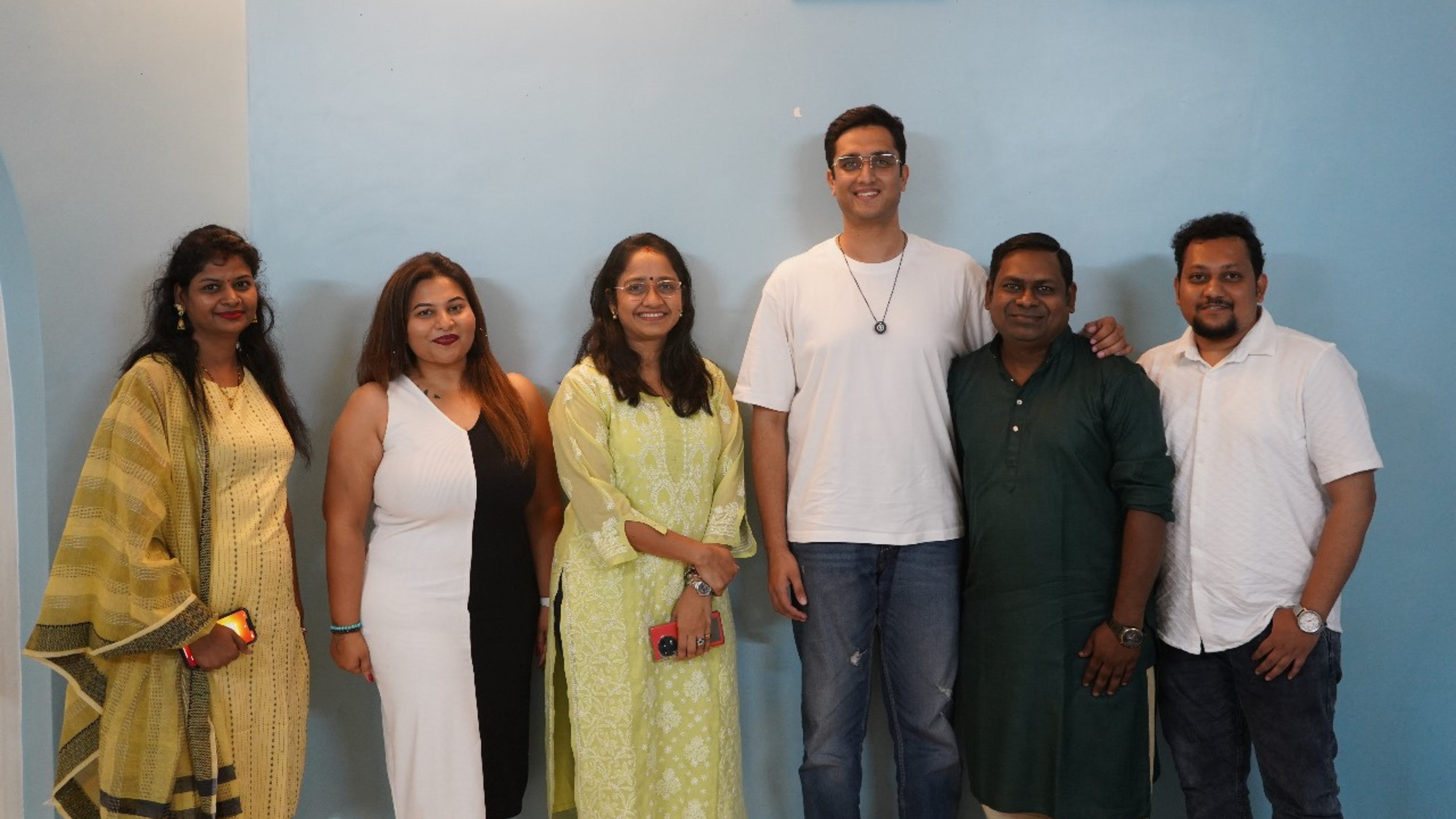
And this is the part I want you to hear — because I have sat across from more than 3000 people to know that this is exactly what is missing for so many high-achieving, deeply capable individuals.
You are not lacking skill. You are not lacking intelligence. And it has certainly nothing to do with your work ethic.
What is missing is security. This settled, unshakeable sense of self. And without it, no amount of achievement will ever feel enough. You will keep climbing, keep performing, keep proving — and the finish line will keep moving.
I know. Because I have lived it.
"You are not lacking skill. You are not lacking intelligence. What is missing is security."
CA. Sanket Jain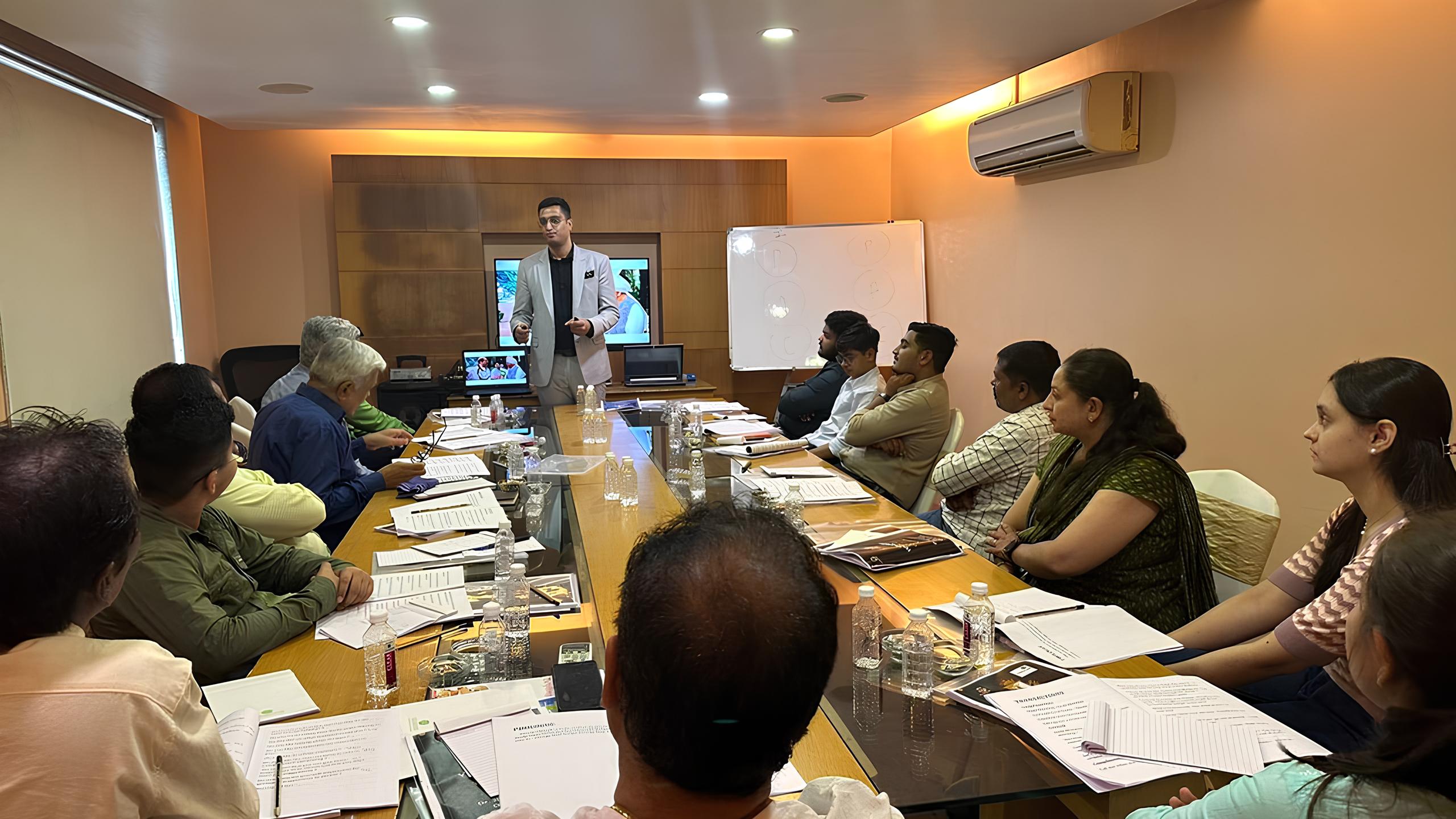
When I began working with professionals just like you, I had one objective.
To help them become the most secure, trusted, confident, influential, decisive version of themselves. Not the most polished, but their true self.
Because when I sit with the leaders I work with today, I see it immediately — extraordinary capability wrapped in quiet self-doubt. Immense potential held back by old patterns, old fears, and old stories about who they are and what they are allowed to have.
I see myself in them. Every single time.
So this work I do with you is not just about your next promotion. It is not just about managing politics or becoming more visible or saying the right things in a boardroom.
It is about the way you communicate — and whether it builds genuine trust or slowly erodes it. It is about the decisions you make — and whether they create safety or fear in the people around you. It is about who you are when no one is measuring you.
I work because I want you to be so emotionally grounded that you can experience the actual beauty of life — not just get through it. I work because I want you to feel at home in your own life — at work, at home, everywhere.
With a hope that one day, all of this will make the world a much better place to live in.
Because you live in it.
Every programme is built on the Transactions Model — a proprietary behavioural framework developed from Transactional Analysis. The entry point is yours to choose.